Pocket WiFi or a travel eSIM? Which to take to Japan and beyond
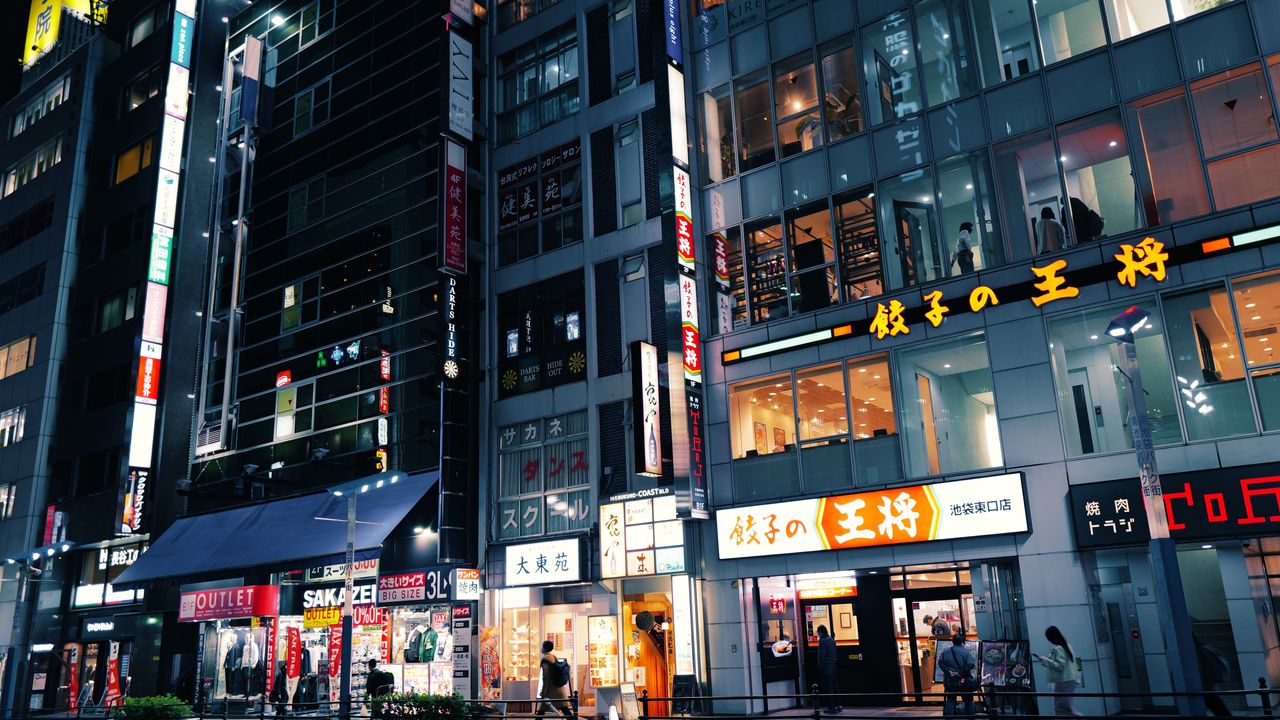
Pocket WiFi, a small rented router that turns a mobile network into wifi, was a common answer for Japan for years. Now most phones take an eSIM, and the question is which suits your trip. Here is the comparison, without rental prices, which change by company and season.
The short answer by traveller type
Who is travelling, and with what, decides it.
- Solo, with an eSIM ready phone: an eSIM. Nothing to collect, carry or return.
- A couple who split up during the day: an eSIM each, so each phone works on its own.
- A family or group who stay together: either works. One pocket WiFi, or one phone on an unlimited plan sharing by hotspot, can carry everyone.
- Working on a laptop all day: pocket WiFi, or a phone on a daily plan or Endless sharing by hotspot while it charges.
- An older phone, or one locked to a carrier: pocket WiFi or a local SIM, because a travel eSIM will not install.
Not sure about your phone? Our phone check guide takes a minute: dial *#06# and look for an EID.
Side by side
The two do the same job in different ways. The eSIM lives inside your phone; pocket WiFi is one more device to look after.
| Travel eSIM | Pocket WiFi | |
|---|---|---|
| How you pay | Once, for the plan, before you fly | Usually a daily rental, sometimes with a deposit or insurance |
| Setup | Install on your phone at home; online when you land | Collect it at the airport or have it delivered, then connect each device |
| Carrying and charging | Nothing extra | One more device to carry and charge every day |
| Returning | Nothing to return | Back by post or at the airport before you fly home |
| Lost or damaged | Nothing to lose but your phone | Usually a fee if it is lost or damaged |
| Sharing | One phone each; our daily plans and Endless can share by hotspot | Several devices on one connection, near the router |
| Older or locked phones | Needs an unlocked, eSIM ready phone | Any device with wifi |
| Laptops and tablets | Through a phone's hotspot, or a tablet with eSIM | Connect directly |
| Battery | Hotspot sharing drains the phone that shares | The router has its own battery |
A week in Japan: an eSIM per phone or one shared connection
For one person, a fixed plan sized to the trip is simplest. Our Japan 10GB plan for 30 days is US$12.10, enough for a week of Standard use at about 1GB a day, and 20GB for 30 days, US$20.40, covers two weeks at that pace.
For a couple, that is two eSIMs, one per phone, so each of you is online wherever you go. For a family or group that stays together, one connection shared from one phone can be enough: across our travellers the median day online used 470MB (July to October 2026), so two people at that pace use about 1GB a day between them.
Endless, our unlimited eSIM, gives one phone a daily amount at full speed for one trip price, and allows hotspot sharing. A week in Japan costs US$14.50 at 1GB a day, US$26.40 at 2GB and US$40.40 at 3GB, cruising at 1 Mbps after the day's full speed data. Compare that with a rental quote for the same days, and remember a pocket WiFi is one more thing to return.
Groups and families: when one connection wins
One connection suits a group that moves together. Kids' tablets, a second phone without eSIM and a laptop can all join one hotspot or one pocket WiFi, and you buy one plan instead of several.
The catch is distance. Every device has to stay within wifi range of the sharing phone or the router, so the moment the group splits, at a theme park, a market or a museum, the others lose their connection. A teenager heading off alone needs their own eSIM.
The other catch is speed: one connection is split between everyone using it, so five people streaming at once will feel it. Most families do best with an eSIM on each adult's phone, sharing to the kids' devices. Our guide to family travel eSIMs covers who needs their own.
Battery: hotspot drain and power banks
Sharing a connection uses battery, whichever way you do it. A phone running a hotspot for several devices drains noticeably faster than one that is only browsing, and on a long day of maps and photos it may not reach the evening.
So pack a power bank and keep the sharing phone on it during long days out. Turn the hotspot off when nobody is using it, and let one adult share in the morning and another in the afternoon.
Pocket WiFi moves that drain to the router, which has its own battery. That battery needs charging every night too, and if it runs flat mid afternoon, everyone on it goes offline together. Either way, a power bank is the most useful thing in a day bag in Japan.
Phones that cannot take an eSIM
Some phones cannot use a travel eSIM at all: older models, some phones sold in certain countries, and phones locked to their home carrier. For those, pocket WiFi or a local physical SIM is the answer.
Check before you choose. Dial *#06#: if the screen shows an EID, the phone has eSIM. Then check it is unlocked: an iPhone says so under Settings, General, About, and on Android the carrier can tell you. A locked phone can only be unlocked by its carrier, which can take a few days.
Our guide on whether your phone supports eSIM walks through both checks on iPhone, Samsung and Pixel.
Coverage: the same Japanese networks either way
Pocket WiFi and a travel eSIM both connect to Japan's mobile networks; neither has a network of its own. Our Japan plans roam on all four, NTT docomo, SoftBank, KDDI/au and Rakuten Mobile, each with 5G, so your phone can use whichever of them reaches where you are.
That matters most outside the cities. On a rural train line or in the mountains, being able to use more than one network can mean the difference between signal and none.
Our Japan plans start counting days when they first connect in Japan, so you can install at home and it waits; only the 100MB trial starts on install. Our Japan page lists every plan, from US$3.60 for 1GB, and our guide to the best eSIM for Japan compares the prices brand by brand.
Prices for popular trips
Cheapest plan with 1GB or more, in US dollars from our catalogue, updated 27 Sep 2026.
Questions travellers ask
Is pocket WiFi or an eSIM better for Japan?
For most travellers with an eSIM ready phone, an eSIM. It installs at home, works the moment you land, and there is nothing to collect, charge or send back. Pocket WiFi suits a group that stays together all day, or phones that cannot take an eSIM.
Can one eSIM share data with my family?
Yes, by personal hotspot on our daily plans and Endless, which allow sharing. The other phones and tablets join the sharing phone's wifi, so they need to stay near it. Adults who split up during the day are usually better off with an eSIM each.
Does hotspot drain my phone's battery?
Yes, noticeably, and more with several devices connected. Keep the sharing phone on a power bank during long days out, and turn the hotspot off when nobody is using it.
Is pocket WiFi faster than an eSIM?
Not by nature. Both use Japan's mobile networks, and our Japan plans roam on all four of them, with 5G. A single connection shared by several people is split between them, so it can feel slower at busy times.
What if my phone does not support eSIM?
Then pocket WiFi, or a local physical SIM, is the way to go. To check, dial *#06# and look for an EID, then make sure the phone is unlocked. Our phone check guide takes a minute.
Do I need pocket WiFi for a laptop?
Not if a phone on one of our daily plans or Endless shares its data by hotspot. If you work on a laptop all day away from your phone, or several people need it at once, pocket WiFi can be simpler.