Travel eSIMs in remote areas, and the backup plan for when there is no signal
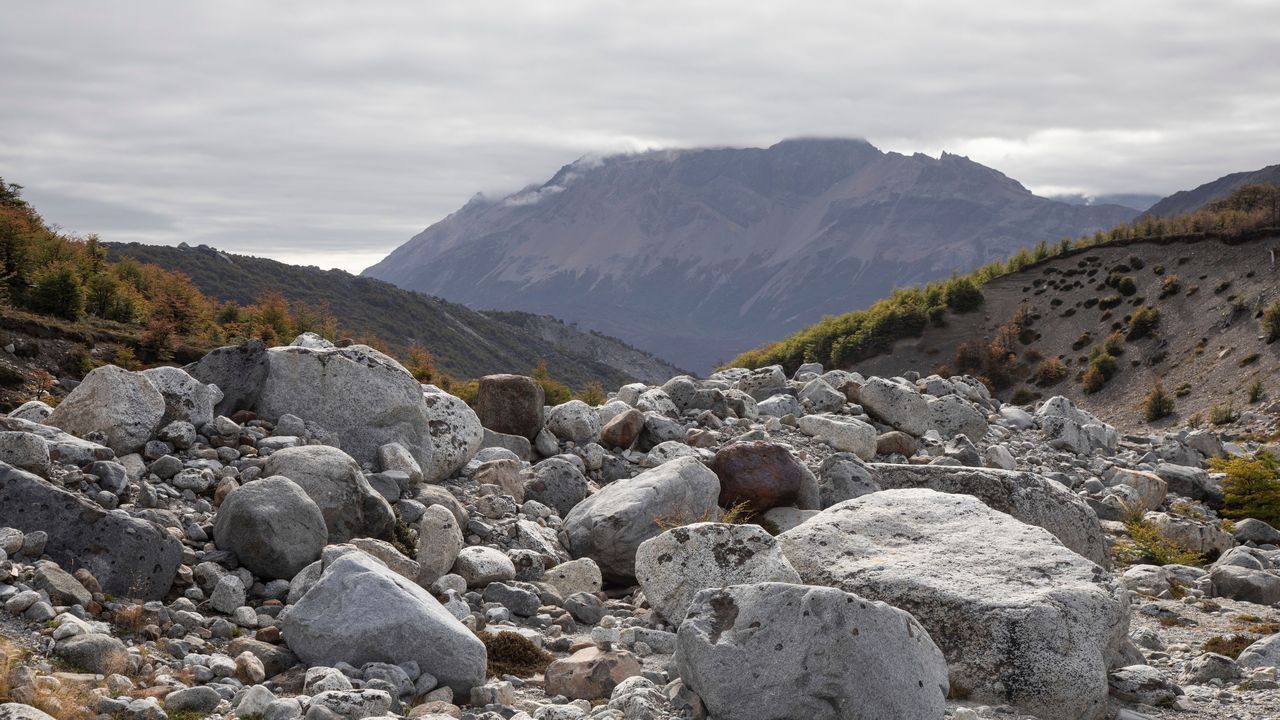
A travel eSIM is not a satellite phone. It connects your phone to local mobile networks, which means it works as well as those networks do where you are standing. In a city that is excellent. On a glacier walk in Patagonia or a back road in a national park, it can be nothing at all.
None of that is special to eSIMs. A local SIM on the same network would behave the same way. What matters is knowing before you go.
How to check coverage before a remote trip
- Find the networks on your plan. Every RoamMore destination page lists the carriers for each plan, for example our Chile eSIM page or United States eSIM page.
- Look up that carrier's coverage map. Most carriers publish one. Check the specific places you will stay, not just the region.
- Prefer a plan with more than one network where there is a choice. Your phone uses whichever is stronger, which helps most outside cities.
- Ask the people who know. Lodges, park offices and tour operators know exactly where the signal ends.
What changes as you leave the cities
| Where you are | What to expect |
|---|---|
| Cities and main towns | Full coverage, usually 4G or 5G |
| Highways between towns | Usually covered, with gaps in hills and valleys |
| National parks and trails | Often signal at entrances and visitor centres, little or none beyond |
| Small islands | Depends on the island; resort wifi is often a single shared satellite link |
| At sea | Land networks only near the coast, then none |
Your phone also uses more battery searching for a signal it cannot find. Switch to airplane mode when you know you are out of coverage for a while.
The backup plan
Signal is a convenience in remote places, not a safety plan. Before you head somewhere without reliable coverage:
- Download offline maps for the whole area, including the drive in and out.
- Save what you need offline: booking confirmations, trail notes, tickets, and the address of where you are staying.
- Tell someone your route and when you expect to be back in coverage.
- Carry a way to call for help that does not need mobile signal. Some recent phones can contact emergency services by satellite in certain countries; check yours before you rely on it. For hiking and multi day trips, a personal locator beacon or satellite messenger is the proper answer.
- Keep a paper note of emergency numbers for the country and your accommodation.
Getting back online
When you come back into coverage, your phone should reconnect on its own within a few minutes. If it does not:
- Turn airplane mode on and off.
- Restart your phone.
- In the eSIM line settings, turn off automatic network selection and choose one of the carriers listed for your plan.
The same steps as our landing day checklist apply anywhere.
How much data for a remote trip
Less than you think while you are out of coverage, more than you think when you get back: photo backups and messages that queued up all upload at once. Set photo backup to wifi only before you go, and see our cost and data guide for the rest of the trip.
Prices for popular trips
- Argentinafrom US$5.90
- Chilefrom US$5.90
- United Statesfrom US$3.80
- Costa Ricafrom US$6.20
- New Zealandfrom US$3.90
Cheapest plan with 1GB or more, in US dollars from our catalogue, updated 27 Sep 2026.
Questions travellers ask
Will a travel eSIM work in national parks?
Only where a local network has coverage. Many parks have signal at visitor centres and along main roads but none on trails or in valleys. That is the same for locals on a local SIM.
Is an eSIM better or worse than a local SIM in remote areas?
It uses the same towers, so coverage is usually the same as a local SIM on that network. A plan that can use more than one network in the country can do better than a single local SIM, because your phone picks whichever is stronger.
Do travel eSIMs work at sea or on cruise ships?
Near the coast your phone can stay on land networks. Out at sea, ships run their own satellite networks, which travel eSIMs do not cover. Switch your home line's Data Roaming off before you board so it cannot connect to the ship's network and charge you.
Can I send an SOS without mobile signal?
Some recent phones can reach emergency services by satellite in certain countries. Check whether your phone and your destination support it before you rely on it, and for remote hiking consider a dedicated satellite messenger or personal locator beacon.